
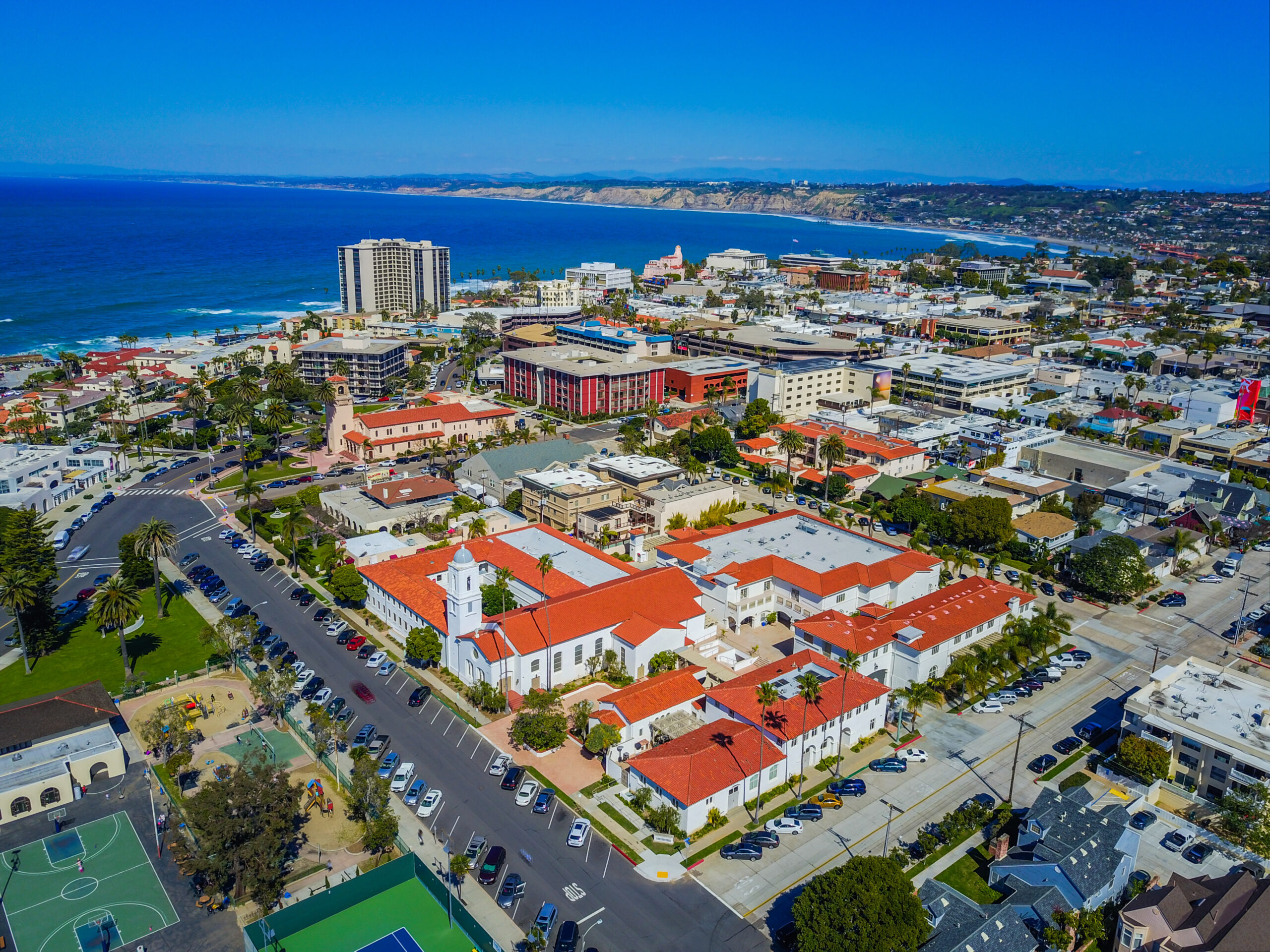
Best San Diego Neighborhoods for Vacation Rentals: 2026 Rankings
Best San Diego Neighborhoods for Vacation Rentals: 2026 Rankings
Where to invest, what to expect, and which neighborhoods to avoid
Not all San Diego neighborhoods are created equal for vacation rentals. Some generate $120K+ annually with strong occupancy. Others struggle to break even despite high property values. Here’s our 2026 ranking based on revenue potential, STRO license availability, guest demand, and real performance data from hundreds of San Diego vacation rentals.
How We Ranked These Neighborhoods
Our rankings consider five key factors:
- Revenue Potential: Average annual gross revenue for comparable 3BR properties
- STRO License Availability: Can you actually get a license? (Some neighborhoods are completely capped)
- Year-Round Demand: Seasonal spikes vs steady occupancy throughout the year
- Guest Type & Demographics: Families, young adults, business travelers – different guests = different management needs
- Operating Complexity: Parking issues, noise complaints, HOA restrictions, city enforcement
Important note: All revenue estimates assume professional management, Tier 3 or Tier 4 whole-home licenses, and properties in good condition with accurate pricing strategies. DIY management typically generates 20-30% less revenue.
Quick Comparison: Top 5 Neighborhoods
| Neighborhood | Revenue Range (3BR) | STRO Availability | Best For |
|---|---|---|---|
| Mission Beach | $96K – $137K | ❌ Tier 4 waitlist only | Existing licenses |
| La Jolla | $92K – $130K | ✅ Tier 3 available | Premium market |
| Pacific Beach | $81K – $100K | ✅ Tier 3 available | High occupancy |
| Ocean Beach | $76K – $95K | ✅ Tier 3 available | Laid-back vibe |
| Downtown/Gaslamp | $72K – $105K | ✅ Tier 3 available | Convention traffic |
Mission Beach
The revenue king (if you can get a license)
Why it’s #1: Mission Beach is THE premier San Diego vacation rental market. Oceanfront location, boardwalk access, Belmont Park, family-friendly beaches, and walking distance to restaurants and shops. This is what people imagine when they think “San Diego beach vacation.”
Guest demographics: Primarily families (60-70%), couples (20-25%), friend groups (10-15%). Peak season is June-September, but you’ll maintain 60-70% occupancy even in winter months.
✅ Pros:
- Highest revenue potential in San Diego
- Strongest year-round demand
- Premium pricing power
- Repeat guest rate 30-40%
- Easy to fill calendar even off-season
⚠️ Cons:
- Tier 4 licenses at capacity (waitlist only)
- Can’t buy property and get new license
- Parking extremely limited
- Summer crowds and noise
- Sand management constant battle
The license problem: Mission Beach is designated Tier 4 (high-impact zone) and the city has capped licenses at 1,097. As of March 2026, all Tier 4 licenses are issued. You can join the waitlist, but licenses only become available when current holders don’t renew or violate regulations. Reality: you’re waiting months to years.
Best for: Investors who already own a Mission Beach property with an existing STRO license, or those willing to wait on the license waitlist while the property sits vacant.
La Jolla
Premium market with upscale guests
Why it’s #2: La Jolla commands the highest nightly rates in San Diego due to its upscale reputation, stunning coastline, sea caves, seals at Children’s Pool, and proximity to Torrey Pines. Guests willing to pay premium prices for the La Jolla experience.
Guest demographics: Affluent families (50%), couples on romantic getaways (30%), business travelers extending stays (20%). Lower party risk than Pacific Beach. Guests tend to be older (35-65) and more respectful of properties.
✅ Pros:
- Highest nightly rates in San Diego
- Tier 3 licenses still available
- Upscale guests = less wear-and-tear
- Strong winter demand (whales, seals)
- Lower noise complaint risk
⚠️ Cons:
- Higher property acquisition costs
- Limited restaurant/nightlife walking distance
- Parking challenges in village area
- Some HOAs restrict vacation rentals
- Slightly lower occupancy than Mission Beach
The opportunity: Unlike Mission Beach, La Jolla still has Tier 3 STRO licenses available (964 licenses remaining citywide as of Feb 2026). You can buy a property and actually get licensed.
Best for: Investors targeting upscale market, those who want premium pricing with lower party risk, or anyone looking for strong revenue with license availability.
Pacific Beach
High occupancy, younger crowd, active management required
Why it’s #3: Pacific Beach offers excellent occupancy rates due to its nightlife, restaurants, bars, and young-adult appeal. Lower nightly rates than Mission Beach or La Jolla, but higher occupancy compensates. You’ll fill your calendar more easily, but manage guest issues more frequently.
Guest demographics: Young adults 21-35 (60%), families (25%), couples (15%). Peak season heavily weighted to summer. Expect more same-day bookings, shorter stays, and higher guest turnover.
✅ Pros:
- Very high occupancy rates
- Easy to fill last-minute gaps
- Strong demand year-round
- Walking distance to everything
- Tier 3 licenses available
⚠️ Cons:
- Higher party/noise complaint risk
- More property damage incidents
- Requires stricter guest screening
- Weekend noise (bars close at 2am)
- Parking extremely difficult
Management requirements: Pacific Beach requires active, experienced management. You MUST screen guests carefully (no local bookings under 25, require government ID, check guest reviews). Party issues are real. Budget for higher cleaning costs and occasional damage.
Best for: Investors comfortable with higher management intensity in exchange for strong occupancy, or those using professional management companies experienced with PB properties.
Ocean Beach
Laid-back vibe with solid returns
Why it’s #4: Ocean Beach offers a unique “beach town” vibe that appeals to guests wanting a more local, less touristy experience. Dog Beach is a major draw for pet owners. Newport Avenue has local restaurants and shops. Sunset Cliffs provides stunning views.
Guest demographics: Mix of families (40%), couples (35%), friend groups (25%). Older demographic than Pacific Beach (30-50 age range). Dog-friendly properties command premium pricing.
✅ Pros:
- Lower acquisition costs than MB/LJ
- Tier 3 licenses available
- Pet-friendly premium pricing
- Unique character attracts repeat guests
- Less party risk than Pacific Beach
⚠️ Cons:
- Lower nightly rates than top neighborhoods
- Fewer premium properties available
- Limited parking (worse than PB)
- Some areas feel dated/worn
- Lower occupancy in winter months
The pet opportunity: Ocean Beach is THE San Diego neighborhood for pet-friendly vacation rentals due to Dog Beach. If you allow dogs, you can charge $50-75/night premium and maintain higher occupancy. Just budget for extra cleaning.
Best for: Investors wanting solid returns without Mission Beach pricing, those comfortable with pet-friendly rentals, or buyers seeking the laid-back beach town vibe.
Downtown / Gaslamp Quarter
Convention traffic and business travelers
Why it’s #5: Downtown offers a completely different market than beach neighborhoods – convention traffic, Comic-Con, Padres games, business travelers, and urban tourists wanting walkable nightlife. Revenue is highly event-driven with significant spikes during conventions and baseball season.
Guest demographics: Business travelers (30%), convention attendees (30%), event tourists (Comic-Con, concerts) (25%), urban tourists (15%). Shorter average stays (2-3 nights vs 5-7 at beach).
✅ Pros:
- Less seasonal than beach (conventions year-round)
- Comic-Con week: $800-1,200/night
- Walking distance to Petco Park, Gaslamp
- Business traveler market (steady demand)
- Tier 3 licenses available
⚠️ Cons:
- Lower baseline occupancy (no beach appeal)
- Requires event-based pricing strategy
- Downtown noise and parking issues
- Homeless population concerns for some guests
- Less “vacation” feel than beach areas
Revenue strategy: Downtown success requires sophisticated event-based pricing. You need to know San Diego Convention Center calendar, Padres schedule, Comic-Con dates, and major concerts months in advance. Baseline rates are lower, but event spikes are significant (Comic-Con week alone can generate $5K-8K).
Best for: Investors who understand event-based pricing, those targeting business/convention market rather than beach vacationers, or owners wanting year-round (vs seasonal) demand patterns.
Neighborhoods to Avoid for Vacation Rentals
Coronado
Why avoid: City of Coronado has extremely restrictive STR regulations. Most residential areas prohibit vacation rentals entirely. The few allowed areas have strict licensing caps and face constant regulatory challenges. Beautiful location, terrible vacation rental market.
Del Mar (City Limits)
Why avoid: Del Mar city proper has banned most short-term rentals. Only specific zones allow them with extreme restrictions. Don’t confuse this with “Del Mar” coastal areas actually in San Diego city limits (Torrey Pines, Carmel Valley) which have different rules.
Inland Neighborhoods (Normal Heights, North Park, South Park)
Why avoid: These are great neighborhoods to live in, terrible for vacation rentals. People come to San Diego for beaches. Inland properties generate 40-60% less revenue than coastal equivalents and sit vacant most off-season. The “urban cool” factor doesn’t translate to vacation rental demand.
Areas with Heavy HOA Restrictions
Why avoid: Many San Diego condo complexes and planned communities have CC&Rs (Covenants, Conditions & Restrictions) that prohibit or severely limit short-term rentals. ALWAYS verify HOA rules before purchasing. The city might grant you an STRO license, but your HOA can still prohibit rentals and fine you $500-1,000 per violation.
STRO License Availability Reality Check
Here’s what you need to know about actually getting a license in 2026:
Current License Status (As of March 2026):
✅ Tier 1 (Entire Home, 20 days or less/year):
Unlimited licenses available citywide. Application fee: $33, license fee: $193 (2 years)
✅ Tier 2 (Home-Share, unlimited days):
Unlimited licenses available citywide. Application fee: $33, license fee: $284 (2 years)
✅ Tier 3 (Entire Home, unlimited days, outside high-impact zones):
964 licenses still available citywide out of 5,606 total allowed. Application fee: $41, license fee: $1,129 (2 years). Covers most of La Jolla, Pacific Beach, Ocean Beach, Downtown, and other coastal areas.
❌ Tier 4 (Entire Home, unlimited days, Mission Beach/high-impact zones):
0 licenses available. All 1,097 licenses issued. Waitlist only. Application fee: $41, license fee: $1,129 (2 years). Mission Beach and designated high-impact coastal zones only.
What this means for investors: If you want Mission Beach, you need an existing property with an existing license, or you’re gambling on the waitlist. For all other top neighborhoods (La Jolla, Pacific Beach, Ocean Beach, Downtown), licenses are still available as of March 2026, but Tier 3 is capped at 5,606 total – once those are gone, it’s waitlist city-wide.
Which Neighborhood is Right for You?
Choose Mission Beach if:
- You already own property there with existing STRO license
- You want maximum revenue potential
- You can afford to wait on license waitlist
- You’re comfortable with premium acquisition costs
Choose La Jolla if:
- You want premium nightly rates
- You prefer upscale, respectful guests
- You need license availability (Tier 3)
- You want lower party/damage risk
Choose Pacific Beach if:
- You want highest occupancy rates
- You’re using professional management
- You can handle higher guest turnover
- You’re comfortable with younger demographic
Choose Ocean Beach if:
- You want solid returns at lower acquisition cost
- You’re comfortable with pet-friendly properties
- You like the laid-back beach town vibe
- You want middle ground between PB energy and LJ premium
Choose Downtown if:
- You understand event-based pricing strategy
- You want less seasonal variation
- You’re targeting business/convention travelers
- You don’t mind urban setting vs beach vacation feel
Not Sure Which Neighborhood is Right for Your Goals?
We manage properties in all five neighborhoods and can provide specific revenue data, licensing guidance, and neighborhood-specific strategies for your investment.
Get Free Property Analysis → Compare Neighborhoods →